
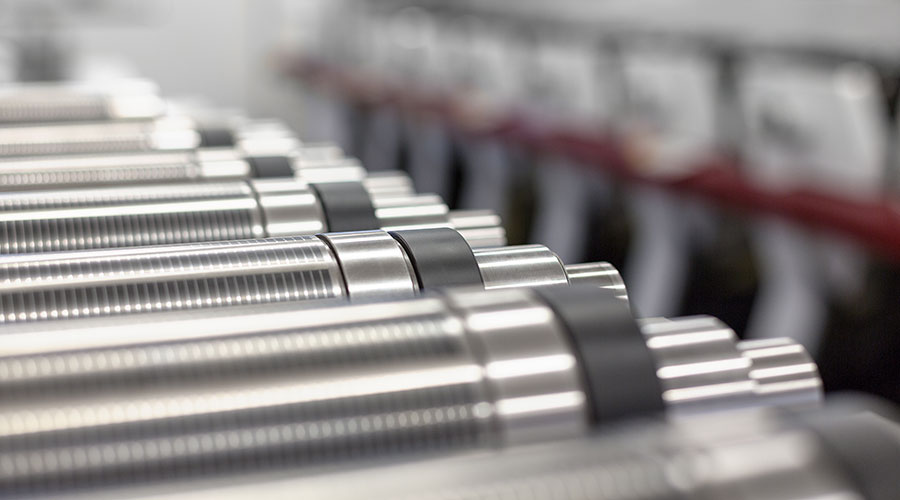
In flexographic printing, the anilox roll is one of the most important components influencing print quality, color consistency, and production efficiency. Yet despite its critical role, many printers still operate based on assumptions that can quietly reduce performance and increase operating costs.
Over time, these misconceptions can contribute to excessive waste, avoidable downtime, inconsistent print quality, and unnecessary equipment replacement.
Let’s examine five common anilox myths and the realities that every pressroom should understand.
Myth #1: If the Print Looks Good, the Anilox Is Performing Properly
Many printers assume that as long as the finished product meets quality expectations, the anilox roll is functioning as intended.
The reality is that anilox performance often begins to decline long before visible print defects appear. Cell wear, contamination, and gradual volume loss can reduce ink transfer efficiency while still producing acceptable-looking prints. However, these hidden performance losses may require operators to compensate through additional adjustments, increased ink usage, or slower production speeds.
Routine measurement and auditing can identify performance degradation before it impacts production quality.
Myth #2: More Ink Means Better Coverage
It is easy to assume that increasing ink volume will improve coverage and color strength. In practice, excessive ink transfer often creates more problems than it solves.
Too much ink can lead to:
- Increased dot gain
- Longer drying and curing times
- Higher ink consumption
- Reduced color consistency
- Increased waste and rework
Proper anilox selection ensures the correct volume of ink is delivered for the specific substrate, graphic requirements, and press conditions. Optimizing ink transfer often improves both print quality and operational efficiency.
Myth #3: All Anilox Cleaning Methods Are Equally Effective
Anilox cleaning is essential for maintaining consistent ink transfer, but not all cleaning methods deliver the same results.
Over time, dried ink, coatings, adhesives, and contaminants accumulate within anilox cells. Surface-level cleaning may remove visible residue while leaving deposits deep within the cell structure. Conversely, overly aggressive cleaning methods can damage cell walls and reduce overall performance.
Effective cleaning programs combine the appropriate technology, frequency, and process to restore cell volume while protecting the integrity of the roll.
Myth #4: Anilox Audits Are Only Necessary When Problems Occur
Many facilities only evaluate anilox performance after experiencing print quality issues.
Unfortunately, by the time visible defects appear, production losses may have already occurred through wasted materials, additional press adjustments, and reduced efficiency.
Regular anilox audits provide valuable insight into:
- Cell volume loss
- Wear patterns
- Surface damage
- Cleaning effectiveness
- Opportunities for optimization
A proactive audit strategy helps identify developing issues before they affect production and profitability.
Myth #5: Replacing the Roll Is Always the Best Solution
When an anilox roll begins to underperform, replacement is not always necessary.
In many situations, professional restoration services and improved maintenance practices can extend the useful life of a roll while restoring performance. Understanding the actual condition of the roll through measurement and inspection allows printers to make informed decisions about restoration versus replacement.
This approach can significantly reduce capital expenditures while maintaining consistent print quality.
The Value of a Proactive Anilox Management Program
Anilox performance directly affects print quality, ink consumption, production efficiency, and overall operating costs. A proactive management strategy that includes regular audits, proper cleaning procedures, performance monitoring, and expert technical support can help printers maximize the value of their anilox inventory.
Rather than waiting for problems to appear, leading printers use data-driven maintenance practices to improve consistency, reduce waste, and extend equipment life.
Partner with Pamarco
Pamarco works with printers worldwide to improve pressroom performance through precision anilox solutions, technical expertise, audit programs, and restoration services.
Whether you’re looking to reduce waste, improve color consistency, extend roll life, or optimize production efficiency, a comprehensive anilox audit is often the best place to start.
Schedule an Anilox Audit with Pamarco today and discover opportunities to improve efficiency, consistency, and profitability throughout your operation.