
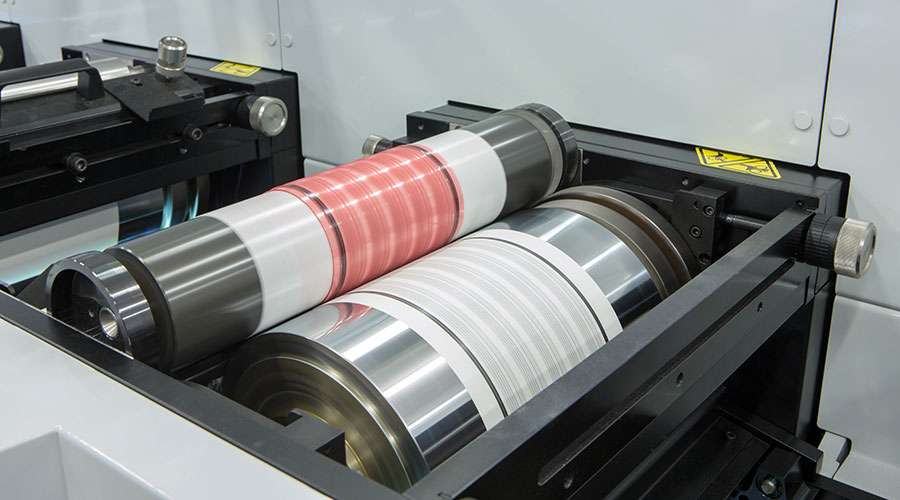
Your anilox roll plays a critical role in print quality, ink transfer consistency, and overall press performance. Over time, normal wear, contamination, and cell damage can reduce efficiency and lead to costly production issues. Knowing when an anilox roll can be restored—and when replacement is the better long-term solution—can help maintain print quality while controlling operating costs.
Why Anilox Roll Performance Matters
Anilox rolls are responsible for delivering precise ink volumes during the printing process. When rolls begin to wear or become contaminated, printers may experience issues such as:
- Inconsistent ink transfer
- Poor print quality
- Increased downtime
- Higher ink consumption
- Difficulty maintaining color consistency
Even minor performance issues can impact production efficiency and customer satisfaction over time.
When Restoration May Be the Right Solution
In many situations, professional restoration services can improve roll performance and extend usable life. Restoration is often recommended when:
Ink Transfer Becomes Inconsistent
If print quality starts to vary from job to job, contamination or wear within the cells may be affecting ink delivery.
Cell Buildup Is Impacting Performance
Over time, ink residue and debris can accumulate inside the anilox cells, reducing volume capacity and limiting efficiency.
Minor Wear Is Present
Early-stage wear or slight surface damage may still allow the roll to perform effectively after professional cleaning and evaluation.
A thorough cleaning and inspection process can often restore functionality and improve consistency without requiring immediate replacement.
Signs It May Be Time to Replace Your Anilox Roll
While restoration can be effective, some rolls eventually reach a point where replacement provides the best return on investment.
Severe Cell Damage
Damaged or worn cells can no longer transfer ink accurately, resulting in ongoing print defects and inconsistent coverage.
Permanent Volume Loss
If the roll has lost significant cell volume that cannot be recovered through restoration, print performance may continue to decline.
Continued Print Issues After Restoration
When print inconsistencies persist even after cleaning and evaluation, the roll may no longer meet operational requirements.
Replacing a heavily worn roll can help eliminate recurring production problems and improve overall press efficiency.
The Importance of Regular Evaluation
Understanding the condition of your anilox rolls is essential for maintaining consistent print performance and minimizing downtime. Routine evaluations help identify issues early, allowing printers to make informed decisions before problems escalate.
At Pamarco, our team works closely with printers to assess roll condition and recommend the best path forward—whether that means restoration, replacement, or preventive maintenance. With expert technical support and industry-leading anilox solutions, we help operations maximize performance and productivity.
Optimize Your Anilox Performance
If you are experiencing print inconsistencies or want to improve anilox performance, scheduling a professional evaluation is the best place to start.